
2026.05.24 - 14:00
Reading Wartime Art: A Documentary Reading Workshop
- Time2026.5.24 2:00 PM
- Venue2F, Taikang Art Museum, Timber Shade - Space for All
- GuestHu Bin, Liu Ying, Liu Zhipeng
- DiscussantCai Tao
- ModeratorXu Chongbao
- Tags:
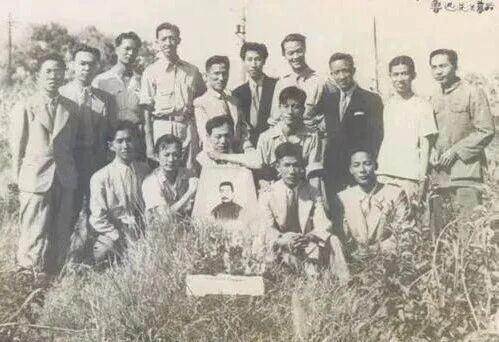
Presented in conjunction with A Changed World: Fu Luofei’s Realist Painting and Chinese Wartime Art, Taikang Art Museum launches the Wartime Art Documentary Reading Workshop, a public programme centred on the historical context explored by the exhibition. Moving beyond the conventional display of archival materials, the workshop invites guest speakers to introduce a selection of wartime art publications, offering audiences an opportunity to encounter how artists of the period thought, created, circulated ideas, and responded to their historical moment. Through paper, images, and texts, participants are invited to reconnect with the intellectual vitality and lived experience of art in wartime China.
Archival documents are more than annotations to works of art. They provide vital points of access for reconstructing historical contexts, recovering overlooked individuals, and re-examining established narratives of art history. For this workshop, a selection of wartime publications recommended by the guest speakers has been reproduced for participants to read and discuss together. These facsimile materials will also serve as the foundation of the exhibition’s ongoing Document Reading Programme, extending the exhibition as a platform for sustained research, dialogue, and knowledge sharing.
Liu Ying’s session focuses on two publications—Iron Horse Prints (1936) and For Beginners in Woodcut Printmaking (1946)—to examine the evolution of Ye Fu’s woodcut practice over the decade of wartime. Her presentation also considers the production and circulation of woodcut tools organised under Ye Fu’s initiative.
Drawing on Lu Wuya’s Collection of Wind and Rain, alongside materials related to the Sketching on the Northern Hunan Front project during the Third Battle of Changsha, Hu Bin traces the shifting artistic orientations of leading New Woodcut artists—including Li Hua, Liu Lun, Lu Wuya, and Zhao Yannian—from the pre-war to the post-war years. His discussion further explores how these transformations contributed to the broader development of China’s modern New Art movement.
Liu Zhipeng will share his long-standing experience of collecting wartime woodcut publications and lead an exhibition tour focused on these archival materials. Behind their yellowed pages lie the voices, aspirations, and historical memory of an era.